AND WHY EVERY ENDURANCE ATHLETE OVER 30 NEEDS TO INCLUDE IT IN THEIR YEARLY TRAINING PROGRAM
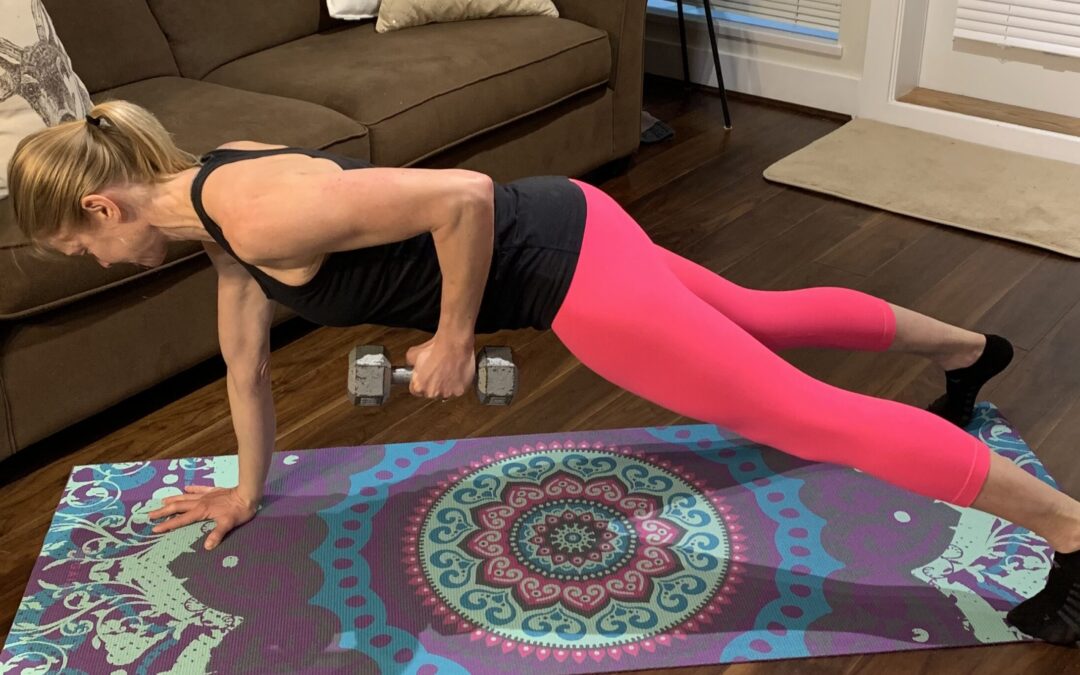
There are SO many other systems in the body that are developing during weight training that does not get as much attention but are equally, if not more important, than bigger muscles.
Stimulate Growth Hormones and Reverse Catabolism This one is a HUGE, if not the biggest, reason why everyone over the age of 30 should lift weights. After we reach 25 years (yup – that was just a few years ago…), our cells stop growing and building independently. We are now mature humans and are beginning the 2nd stage of life, where the cells break down. Exercise stimulates a chemical reaction, reversing the ageing process and stimulating new growth.
Increase Bone Density Lifting weights is a stress on the bones. The body responds by laying down more bone, increasing overall bone density, reducing the chance of osteoporosis, and hopefully future fractures when we get older.
Increase Metabolism at Rest Our metabolism naturally lowers, so we need to eat less or move more to maintain the same weight as we age. However, building muscle uses more energy, increasing metabolism at rest. Yes, during sleep, the body is repairing muscles that use energy and helps with weight maintenance. Weight training also increases testosterone in both sexes. Testosterone is vital in managing weight AND maintaining a healthy libido. Testosterone levels lower as the day progresses, so training in the afternoon or evening will boost
NOTE: This does not happen with endurance sports, and HIIT exercises for women may have the opposite effect and reduce testosterone levels
Train the Neuromuscular System The first few times someone learns a new movement, the brain has to create a pathway, telling the muscles how to move as they should. The more repeated the movement, the more solid and subconscious this pathway becomes. Once the brain no longer has to tell the body to move in that new way consciously, then more weight, speed, power, or move to more complex movements.
Improve Mental Resilience and Confidence Weight training allows for small wins throughout the overall training goal. Building strength in the gym builds overall confidence and permits the athlete to tackle more complex exercises in the gym or sport.
Learn Pain By pushing to “do one more rep,” you are teaching your body the difference between good pain (make you more robust) and bad pain (injury).
Boost Energy Levels and Mood Even a short 20-minute workout will release endorphins which act as an anti-depressant as the brain releases dopamine, serotonin, and norepinephrine.
Reduce Risk of Injury Weight training is a controlled environment where paying attention to form and working within personal comfort levels can build overall body and core strength, which will help reduce injuries during sport.
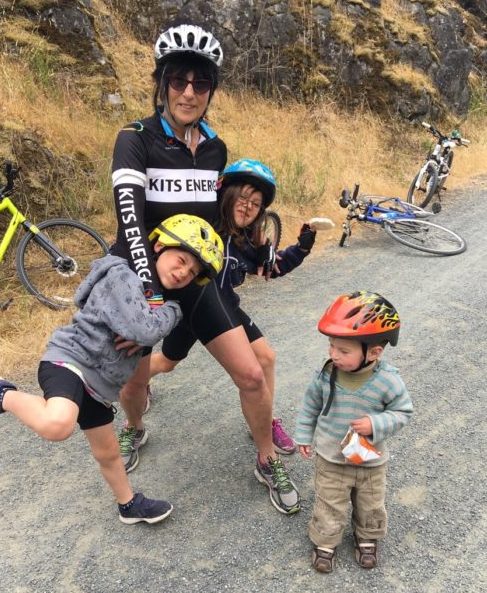
My son Tim organized this multi-generational bike trip to celebrate my big birthday this year! Ranging in ages from 18 months to 70 years, we all rode the Galloping Goose on Vancouver Island together and had a brilliant time.
In past years, I could never have envisaged biking with my grandchildren, children, daughter-in-law, husband and friends – all surely made possible by joining Kristina’s awesome bike-training group five years ago where I conquered (some of) my fear of riding and gained some useful skills as well.
Thank you, Kristina! This was a very special day for me and my gang!
One of the ways you become a better cyclist is through muscular adaptation. In very basic terms, this is what happens: The stress of training causes micro tears in your muscles. Your body then repairs the damage, which results in an inflammatory response (the swelling and tenderness you feel after a hard workout or race). The rebuilding process that follows creates stronger muscles—but onlyif the body has adequate time to heal. If you start your next hard ride when you’re not completely recovered your body is at a disadvantage. If you do this too many times you’ll grow more tired and gain less from each workout.
But recovery isn’t just about sitting on the couch with your legs up. It’s also about not going hard all the time and using rest days wisely. Strategies like low-intensity rides, stretching, yoga and massage will help your muscles recover faster.
10 ways to maximize every minute you spend in—and out—of the saddle.
1. The harder the workout = the more recovery time you will need. Generally speaking 48hrs should be enough, unless you made a huge jump in your training volume/intensity or you a hard race. Then you may need an extra day or two before you jump back into training.
2. To help your legs recover: elevate them, ice them or wear compression tights right after a hard/long ride.
3. Ride a short (45-60min) recovery ride the day after an intense ride. Keep your recovery rides light and easy, spinning the legs with very little intensity.
4. To replace the lost glycogen, eat immediately after all hard/long rides. Mainly carbs with only a small amount of protein and fat.
5. Stretch hip flexors, quads and hamstrings on a regular/daily basis.
6. Use your time off the bike to cross train with swimming or weight training focusing on core and upper body only. Keep the weights light on the legs. Hard leg training is best done in the off season.
7. Your body is trying to heal from the moment you get off the bike until you get back on again so plan meals ahead of time so you are eating every 3hrs, fuelling the fire.
8. Muscles do most of their repair during sleep. Get at least 8 hours of sleep on a regular basis.
9. If you are suffering from fatigue, frequent colds/flu, frequent injuries or just general fatigue, it may mean that you are overtraining. Take a few days off and ease back into it slowly.
10. Increase volume and/or intensity by only 10% each week.
Vancouver has embraced the large number of bikes on the roads by providing bike lanes and specific bike routes that are great routes when traveling to and from your workout but definitely not the place to lay the hammer down.
So how do you deal with training when you live in the city?
First off, you must remember that as a cyclist, you are legally obligated to obey all the rules of the road like any other vehicle. If you break the rules, it is you who is going to suffer the most if you get hit. So choosing an appropriate route for your workout is key.
Due to the nature of an interval workout your goal isn’t to find a route that is pleasant to look at, but a route that is safe and will allow you to complete the workout in repetition and as close as you can to what was prescribed. It may seem boring but training on the same route for the same workout each time will give you consistency and specific numbers to measure your progress.
For long rides it is best to choose routes that have very little traffic and as few stop lights/signs as possible, otherwise you won’t get the training benefit of the workout. This may mean that you have to drive your car out of the city before you can start riding. Zero Ave, Richmond loop, Iona, Stanley Park and Marine Drive are great routes with very few lights.
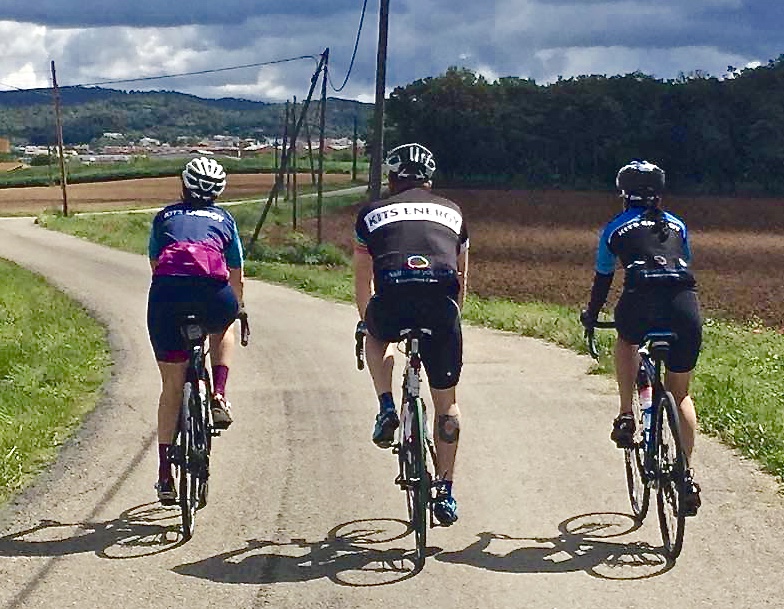
But even out of the city it is impossible to find a route without any traffic signals. So if you are riding in a large group you will want to follow some basic rules. These will not only keep you safe but they will also help keep your group together as well.
Indicate to vehicles AND your fellow riders the direction you plan on riding well in advance (right or left turns).
Don’t ride through stop signs or red lights (see #4 for more of an explanation).
As the lead rider, if the light turns yellow, stop to avoid breaking up the group when the light turns red.
When riding in a pack, stay close and consider yourself as one vehicle. When crossing intersections continue to move as one unit. Having each person stop individually will create confusion for other vehicles and confusion in the group. If there is a break in a group (more than one bike length distance) then you become two vehicles and you will need to stop.
Use the most trafficked roads as time to warm up and cool down – take your time.
Start long rides early in the morning when it is still quiet on the roads.
Some of you are moving away from being casual riders to cyclists training for an event. One of the most important things you will need to learn, practice, and eventually master is the art of eating during long rides and during your event. I’m not talking about eating while pedalling, although eventually you may be ready for that, I’m talking about eating at regular times during your ride to keep up your energy throughout your event.
When you are riding, your muscles use sugar and fat to do the work. The process of converting fat into energy is more difficult and time consuming so the majority of your energy will come from sugar or glycogen. Your body will use most of your available glycogen stores within the first hour. Unfortunately your brain only survives on sugar. So when you feel dizzy, light headed, confused, short tempered or faint this is because you don’t have enough sugar going to your brain. You may have already experienced this on a ride but if you haven’t you never want to get to this point. Once you are there, it is extremely hard to reverse.
You want to stay one step ahead of what our body needs which is why I teach all my athletes to eat on a schedule – whether they feel like eating or not. Normally in life you are counting calories so that you don’t over eat. Now I’m teaching you to count calories so that you eat enough. The timing of when you eat and the amount of calories you eat at each interval are the keys to having a great ride.
Use the following guideline to start with and then add or subtract calories as your stomach insists or your energy demands require.
Breakfast one hour before your ride of mainly carbohydrates with only a little bit of fat and protein as these both take too much time to digest (2-3 hours).
examples: toast with pb and banana, yogurt with granola and fruit, fruit smoothie, oatmeal
drink one glass of water and an extra glass of water for every cup of coffee so you are well hydrated
First snack at 45minutes into the ride: 200-250 calories for women, 300-350 calories for men of mainly simple SUGARS (very little fat or protein)
NOTE: The range of calories are a guideline for you to start with and through experience you will know if you need more or less.
examples: fruit bars, gels, white potatoes, bananas, fig newtons, sesame snaps, shot bloks, cliff bars, sharkies or a drink with calories in it like Vega Sport, Gatorade, Eload, etc
Bring a wide range of food choices as you may not “feel” like eating something but you MUST.
Drink 3/4 to a full water bottle or water with electrolytes in it if you are a heavy sweater.
If your ride is less than 2 hours, then you don’t necessarily need to eat again on the ride but you MUST eat another 250-350 calories as soon as you get home to replace the lost sugar during the last hour. If you miss this 30min window after exercise, your glycogen stores will have a difficult time rebuilding which means that your next ride is going to hurt. AFTER you eat your post ride snack, eat a regular healthy lunch/meal complete with carbs, fat and protein to repair your muscles.
If you are riding for longer, you will repeat the above schedule EVERY 45 minutes. Set your watch to an alarm if you have to. The same “after ride eating schedule” applies to the long ride.